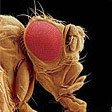
 Making science visibleOften images make a stronger point than text. Click here to see how images can illustrate scientific concepts. Making science visibleOften images make a stronger point than text. Click here to see how images can illustrate scientific concepts. |
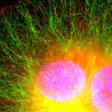 Communicating scienceScience can profoundly change our lives. Good science communication is crucial to dispel myths about what it can and cannot do. Communicating scienceScience can profoundly change our lives. Good science communication is crucial to dispel myths about what it can and cannot do. |
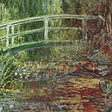 Science and ArtEye diseases affect millions and rob them of their sight. Can paintings by famous artists reveal the changes caused by the disease? Science and ArtEye diseases affect millions and rob them of their sight. Can paintings by famous artists reveal the changes caused by the disease? |
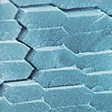 Transparency and visionTransparency of biological tissues is very difficult to achieve. Yet the eye lens must be invisible for us to be able to see. Transparency and visionTransparency of biological tissues is very difficult to achieve. Yet the eye lens must be invisible for us to be able to see. |
 Discovering DNADNA is arguably the most important molecule we know. But who discovered the “molecule of life”? And how was it done? Discovering DNADNA is arguably the most important molecule we know. But who discovered the “molecule of life”? And how was it done? |
 Molecules and memoryHow do nerve cells change when we learn something? What goes wrong in Alzheimer’s disease? And how was it discovered? Molecules and memoryHow do nerve cells change when we learn something? What goes wrong in Alzheimer’s disease? And how was it discovered? |
